
Finding Hope and Healing From Depression
Do you find yourself feeling persistently sad, emotionally disconnected, or unlike yourself? Has low motivation, hopelessness, burnout, or a loss of meaning begun to affect your relationships, work, or daily life? For many individuals, depression reflects more than a temporary emotional state—it can be connected to longstanding patterns, unresolved emotional experiences, relational difficulties, or a deeper sense of internal distress.
At JCACounseling, we provide depth-oriented psychotherapy for teens and adults experiencing depression. Rather than focusing solely on symptom relief, we explore the underlying patterns contributing to emotional distress. Through a carefully attuned therapeutic process, we help clients develop deeper self-understanding, address longstanding emotional and relational difficulties, and create meaningful, lasting change.


Understanding Depression and the Benefits of Therapy
Depression can impact the way you think, feel, connect with others, and move through daily life. Therapy offers a supportive, depth-oriented space to better understand your emotional experience, explore underlying patterns contributing to depression, and begin moving toward meaningful change at your own pace.
- Explore feelings of sadness, emptiness, hopelessness, or burnout
- Understand relational and emotional patterns that contribute to depression
- Strengthen self-worth, emotional regulation, and connection to others
- Rebuild motivation, structure, and a sense of internal stability
- Create space for sustained healing, growth, and long-term change
Our JCAC clinicians may integrate cognitive-behavioral therapy (CBT), mindfulness-based techniques, and emotion-focused approaches within a carefully attuned therapeutic process to support deeper insight, symptom reduction, and lasting psychological change.
- Explore feelings of sadness, emptiness, hopelessness, or burnout
- Understand relational and emotional patterns that contribute to depression
- Strengthen self-worth, emotional regulation, and connection to others
- Rebuild motivation, structure, and a sense of internal stability
- Create space for sustained healing, growth, and long-term change
Our JCAC clinicians may integrate cognitive-behavioral therapy (CBT), mindfulness-based techniques, and emotion-focused approaches within a carefully attuned therapeutic process to support deeper insight, symptom reduction, and lasting psychological change.
Depression Series
What is Depression?
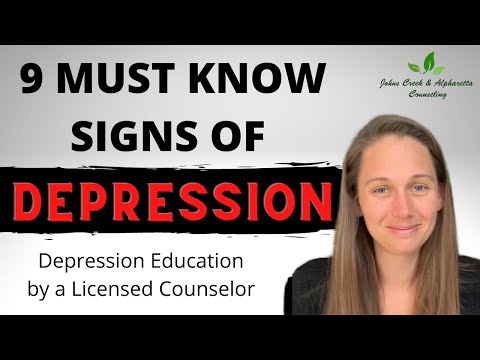
Depression is more than feeling sad or having a bad day—it can affect your energy, motivation, thoughts, relationships, and overall sense of self. It may show up as emotional numbness, hopelessness, irritability, exhaustion, loss of interest in things you once enjoyed, or a sense of feeling stuck and disconnected from daily life.
At Johns Creek & Alpharetta Counseling, we provide depth-oriented psychotherapy for teens and adults experiencing depression. Our work focuses on helping clients better understand their emotional experience, recognize underlying patterns that contribute to depressive states, and engage in a carefully attuned therapeutic process that supports sustained insight and meaningful change. To learn more, explore our Depression Series, where we discuss common experiences of depression and how therapy can support long-term healing and emotional growth.

How Do I Know If I Need Depression Therapy From JCAC?
It’s normal to feel sad, low, or unmotivated at times, especially during stressful or difficult life seasons. However, depression becomes more clinically significant when these experiences persist and begin to impact daily functioning, relationships, and your sense of self.
You might benefit from depression therapy if you notice:
- Ongoing sadness, emptiness, or hopelessness that feels persistent - Loss of interest or emotional disconnection from activities once meaningful - Low energy, fatigue, or difficulty sustaining daily responsibilities - Changes in sleep or appetite - Difficulty concentrating, making decisions, or sustaining motivation - Feelings of worthlessness, guilt, or internalized self-criticism
At Johns Creek & Alpharetta Counseling, we provide depth-oriented psychotherapy for teens and adults experiencing depression. Our work focuses on helping clients understand the underlying emotional and relational patterns that contribute to depressive experiences, rather than only addressing surface-level symptoms.
Through a carefully attuned therapeutic process, we support sustained insight, emotional processing, and meaningful psychological change in individuals seeking longer-term growth and deeper self-understanding.
Supporting Children Through Depression with Personalized Care
Depression Therapy for Children
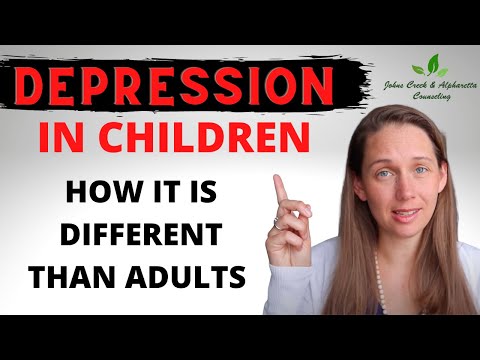
Depression in children can look different than it does in adults. While adults may appear withdrawn or sad, children are more likely to show irritability, emotional outbursts, acting out, or increased frustration. You might also notice changes in sleep, appetite, energy, or a loss of interest in friends, play, or activities they once enjoyed.
You may also see school-related changes such as difficulty focusing, seeming disengaged, perfectionism, or a drop in motivation that can sometimes be mistaken for ADHD. Some children may also express emotional distress through physical complaints like stomachaches or headaches.
It’s important to know that whether depression is situational or more persistent, children still need support. Therapy provides a safe space for them to express emotions, build coping skills, and feel understood. It also helps parents learn how to better support their child at home through connection, presence, and consistent emotional safety.

What Recovery From Depression Can Look Like At JCAC
Healing from depression is often a gradual process rather than a sudden shift, and it does not mean every day suddenly feels easy or resolved. For many people, recovery involves small but meaningful changes that build over time through sustained therapeutic work.
Improvement can look like:
- Feeling more emotionally steady and less overwhelmed
- Gradually regaining interest in activities, relationships, or hobbies
- Having more energy and capacity for daily routines
- Experiencing fewer moments of hopelessness or emotional heaviness
- Developing a more compassionate and understanding inner voice
- Feeling more connected to yourself and others
Recovery is not about never struggling again—it is about developing greater internal stability, emotional awareness, and the capacity to move through life’s challenges with more support and resilience. With appropriate therapeutic support, depression can become something you learn to understand and work through, rather than something that defines your experience.
Counselors Who Specialize in Depression Therapy

Christy Cawley, LPC, CSTFP
Licensed Professional Counselor
SpecialtiesEMDR, Somatic Therapy, LGBTQIA+ Certified Therapist, Trauma, PTSD, Anxiety, Narcissistic Abuse, Life Transitions

Mikayla Minehart, LPC, NCC, PMH-C, EDIT-C
Licensed Professional Counselor
Specialties
Individual Counseling, Aggression, Self-Esteem, and Play Therapy

Alex Stachowski, MA, NCC
Master's in Mental Health Counseling
Specialties
Teen & Young Adult Therapy, Couples Therapy, Neurodivergence, Life Transitions
Teen & Young Adult Therapy, Couples Therapy, Neurodivergence, Life Transitions

Lillie Bamberg, LPC
Licensed Professional Counselor
Specialties
Play Therapy, Parent Coaching, Adults, Teens
Play Therapy, Parent Coaching, Adults, Teens

Holland Wiersma, APC, NCC
Associate Professional Counselor
SpecialtiesPlay Therapy, Grief & Loss, Life Transitions, Relationship Dynamics

Rachel Brunelle, LPC
Licensed Professional Counselor
Specialties
Relationship Conflict, Self-esteem, Grief, Communication, and Life Transitions

Marley Powalowski, LMFT
Licensed Marriage and Family Therapist
Specialties
Anxiety, Self Esteem, Communication, Life Transitions, Family Dynamics
Anxiety, Self Esteem, Communication, Life Transitions, Family Dynamics

Jessica Grabowski, APC, NCC
Associate Professional Counselor
Specialties
Individuals, Women, Couples, Teens & Young Adults, Anxiety, OCD, ADHD, Relationships Dynamics, Depression, Life Transitions
Individuals, Women, Couples, Teens & Young Adults, Anxiety, OCD, ADHD, Relationships Dynamics, Depression, Life Transitions

Caroline Gregory
Master's in Clinical Mental Health Counseling
Specialties
Individual Therapy, EMDR-Trauma, Athletes
Individual Therapy, EMDR-Trauma, Athletes

Lindsey Wheeler, LPC, CPCS
JCAC Clinical Supervisor
Specialties
Online Counseling, Couples, Adults

Tracee Vaughan, DCC
Master's Level Clinical Intern
Specialties
Adolescents, Couples, Families, First-Responder Couples
Adolescents, Couples, Families, First-Responder Couples

Jacob Newman, LMSW
Master's in Clinical Social Work
Specialties
Teens, Young Adults, Adults, Sexual Assault & Abuse, Anxiety, Depression
Teens, Young Adults, Adults, Sexual Assault & Abuse, Anxiety, Depression

Mandi Allison, MA, CMHC
Master's in Clinical Mental Health Counseling
Specialties
Children, Teens, Adults, Families, Life Transitions, Neurodivergent Families & Parent Support, Spiritual Trauma
Children, Teens, Adults, Families, Life Transitions, Neurodivergent Families & Parent Support, Spiritual Trauma


Sydney Pascale
Master's Level Clinical Intern
Specialties
Anxiety, Social Skills, Relationship Challenges, Body-Image, Self-Esteem
Anxiety, Social Skills, Relationship Challenges, Body-Image, Self-Esteem