TOPIC: Emotional Validation & Healthy Communication
WRITTEN: August 4, 2026 by Mohammed Shabbir
WILL BE REVIEWED: August 2029
When someone we care about is struggling, our first instinct is often to help. We want to make the situation better, offer advice, or remind them that everything will be okay. While these responses usually come from a place of love and support, they do not always make someone feel truly understood.
One of the most powerful ways to support another person is through emotional validation. Validation helps people feel heard, accepted, and supported without judgment. It creates emotional safety and strengthens relationships by showing others that their feelings matter.
At JCAC in Alpharetta, Georgia, our therapists use compassionate communication approaches to help individuals, couples, and families build stronger connections and develop healthier ways of expressing emotions.
What Is Emotional Validation?
Emotional validation means acknowledging and accepting another person's thoughts, feelings, and experiences as understandable.
Validation does not mean you agree with everything someone says or that you approve of every action they take. Instead, it communicates:
"I understand why you feel this way, and your emotions make sense based on what you are experiencing."
Many people who are struggling do not immediately need solutions. They often need to feel heard, supported, and safe enough to process their emotions.
Why Feeling Heard Matters
When people feel dismissed or misunderstood, they may become less likely to open up about their experiences. Over time, this can create emotional distance in relationships.
Validation can help people feel:
- Accepted
- Respected
- Less alone
- More comfortable expressing emotions
- More confident processing difficult experiences
Whether it is a conversation with a partner, friend, family member, or child, feeling understood is an important part of emotional connection.
What Validation Looks Like in Real Life
Imagine a friend shares that they have been struggling with constant conflict at home. They feel overwhelmed and unsure what to do.
A common response might be:
"You should just move out."
Although this may come from a place of concern, giving advice too quickly can make someone feel like their emotions were overlooked. They may not be asking for a solution—they may simply need someone to listen.
Another response might be:
"I go through that with my family too."
Sharing personal experiences can sometimes be helpful, but immediately shifting the focus to your own situation may unintentionally make the other person feel less heard.
A more validating response might be:
"That sounds incredibly difficult. I can understand why you would feel overwhelmed."
or:
"It sounds like this situation has been really painful for you. Do you want to tell me more about what has been happening?"
These responses communicate understanding and invite the person to continue sharing.
The Difference Between Validation and Trying to Fix Feelings
Many people struggle with emotional conversations because they want to make the other person feel better immediately.
Statements like:
- "Don't worry, everything will be fine."
- "You need to stay positive."
- "You'll get over it."
are often meant to provide comfort, but they may unintentionally communicate that difficult emotions should be avoided or quickly dismissed.
Healthy validation allows people to experience their emotions without judgment.
Instead of trying to remove someone's feelings, validation helps them feel supported while they work through those emotions.
The Do's and Don'ts of Emotional Validation
Don't:
Judge someone's emotions
Everyone experiences challenges differently. Something that may feel manageable to one person may feel overwhelming or painful to another.
Avoid statements like:
- "You're overreacting."
- "You shouldn't feel that way."
- "It's not a big deal."
These responses can make someone feel ashamed for expressing their emotions.
Give advice before listening
Advice can be helpful when someone asks for it. However, when someone is emotionally overwhelmed, they often need understanding before solutions.
Start by listening.
Compare their experience to your own
Sharing your own experiences can be supportive when done thoughtfully, but making the conversation about yourself can leave someone feeling misunderstood.
Try to immediately change their emotions
People need space to process sadness, anger, fear, grief, and frustration. Allowing emotions to exist is an important part of emotional healing.
Do:
Ask open-ended questions
Questions show that you are interested and willing to understand.
Examples:
- "How has that been affecting you?"
- "What has this experience been like for you?"
- "What has been the hardest part?"
Remind them they are not a burden
Many people avoid opening up because they worry they are "too much" or that their emotions will overwhelm others.
Simple statements like:
- "I'm glad you told me."
- "I'm here to listen."
- "You don't have to go through this alone."
can create a sense of safety and connection.
Pay attention to nonverbal communication
Communication is about more than words. Body language, facial expressions, tone of voice, and silence can all provide insight into what someone is experiencing.
Being fully present is one of the most meaningful ways to show support.
How Validation Improves Relationships
Emotional validation plays an important role in healthy relationships. When people feel heard, they are often more open to communication, problem-solving, and emotional connection.
Validation can strengthen:
- Parent-child relationships
- Romantic relationships
- Friendships
- Family relationships
- Therapeutic relationships
Learning to validate others does not require having the perfect words. It requires empathy, patience, and a willingness to understand another person's perspective.
Emotional Validation and Therapy
Therapy provides a space where individuals can explore emotions, experiences, and relationship patterns without judgment.
At JCAC in Alpharetta, GA, our therapists help children, teens, adults, couples, and families develop stronger communication skills, improve emotional connection, and build healthier relationships.
Whether you are working through anxiety, relationship challenges, family conflict, or personal growth, learning how to communicate emotions effectively can create meaningful change.
Everyone deserves to feel heard, understood, and valued.
Healing happens through connection.
Frequently Asked Questions About Emotional Validation
What does it mean to validate someone's feelings?
Validating someone's feelings means acknowledging their emotions and showing that their experience is understandable, even if you may see the situation differently.
Is validation the same as agreeing with someone?
No. Validation means recognizing and accepting someone's emotional experience. It does not mean agreeing with every belief or action.
How can I become better at emotional validation?
Practice listening without interrupting, asking questions, avoiding judgment, and acknowledging emotions before offering advice.
Can therapy help improve communication skills?
Yes. Therapy can help individuals, couples, and families develop healthier communication patterns, emotional awareness, and stronger relationships.
Where can I find communication-focused therapy in Alpharetta, GA?
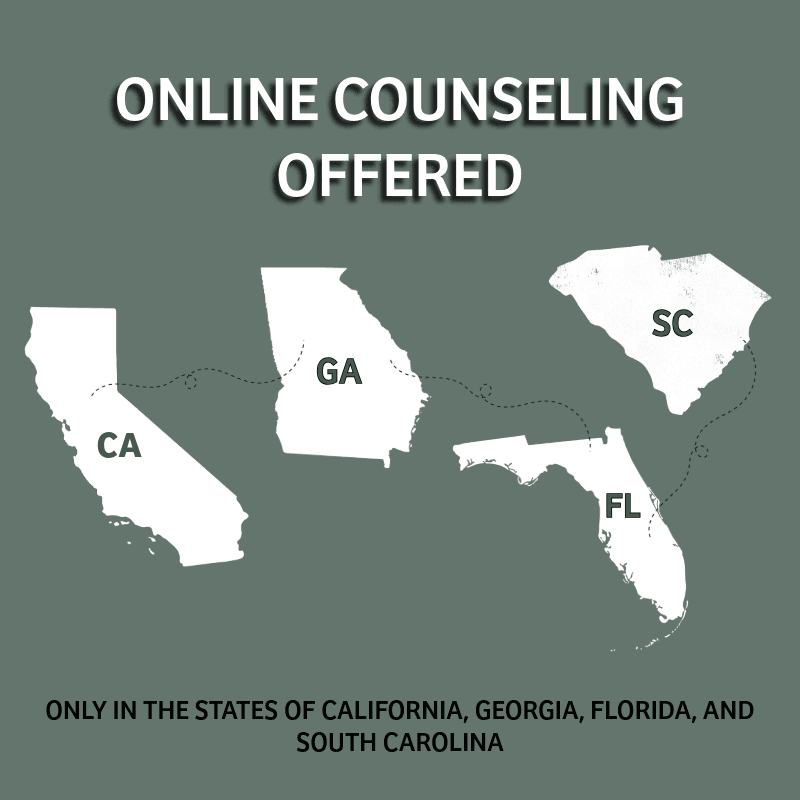
JCAC provides therapy for communication challenges, relationships, anxiety, and emotional wellness in Alpharetta, Georgia, as well as secure online therapy throughout Georgia.