Akilah Alexander
Masters Level Clinical Intern in Mental Health Counseling
Populations: Black, Indigenous, and People of Color (BIPOC), Women, Adults, Adolescents, Children, LGBTQ+ Community
Specialty Services: Chronic Stress & Burnout, Hormonal, Autoimmune & Chronic Illnesses, High-Functioning Anxiety, Nervous System Dysregulation, Life Disatisfaction, Relational Trauma, Emotional Distress
Theory Models: Attachment Theory, Emotion Focused Individual Therapy (EFIT), Cognitive Behavioral Therapy (CBT), Dialectical Behavior Therapy (DBT)
Locations:
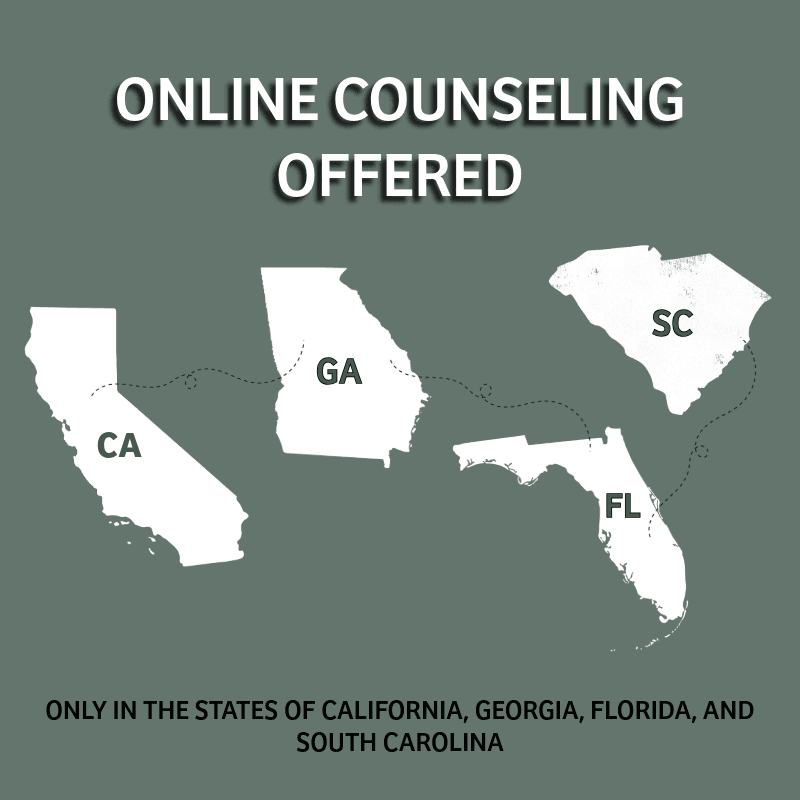
Online Counseling in Georgia
In Person at our Alpharetta Office
Availability: Mondays (Virtual Only) 9AM-5PM, Tuesdays 12PM-5PM, Wednesdays 10AM-8PM, Fridays 3PM-8PM
Accepting New Clients - Click here for a consult
Meet Akilah:
Do you feel like you're carrying more than your fair share—exhausted, overwhelmed, and yet still pushing through? I help high-achieving individuals who appear to have it all together but feel chronically stressed, disconnected from themselves, and unsure of how to slow down. Through our work together, we’ll explore how chronic stress and burnout affect your mind, body, and relationships, and we’ll build sustainable ways to restore balance and wholeness.
Healing Through Advocacy & Care:
Living with hormonal, autoimmune, or chronic illness can be an isolating and invisible burden. I support individuals navigating the emotional toll of diagnoses such as PCOS, Endometriosis, and Hashimoto’s. Our sessions will make space for your emotions while also offering empowering tools to help you advocate for yourself in a healthcare system that often overlooks your needs.
From Stress to Self Compassion:
If you find yourself in constant motion—driven by perfectionism, people-pleasing, or a fear of “not doing enough”—you may be experiencing high-functioning anxiety. I work with clients who feel stuck in this cycle to identify the roots of their anxiety, challenge critical self-talk, and create a life led by self-compassion rather than stress.
At times, dissatisfaction doesn’t show up as a crisis but as a quiet sense that something is off, a feeling of going through the motions, questioning your choices, or wondering why fulfillment feels just out of reach. I work with individuals who feel disconnected from their sense of purpose, unsure of what they want, or weighed down by the pressure to live a life that looks successful but doesn’t feel meaningful. In our work together, we’ll slow down enough to listen to what this discomfort is communicating, uncover what has been neglected or silenced, and support you in shaping a life that feels more intentional, honest, and sustaining.
Experience/Education:
As a clinical intern in the final year of my Master’s Program in Clinical Mental Health Counseling, I bring a warm, culturally affirming, and client-centered approach to therapy. I work best with clients that value being seen and having someone to support them during difficult times. My clients understand that the therapeutic space is completely for their growth and development, and thus, they can feel free to bring their entire selves to each session. I pride myself on being attentive to the unspoken cues and open to pivoting if we find that an approach is not the right one for you. My counseling style is grounded in Attachment theory as I believe early relational wounds can promote maladaptive thinking and behaviors that stop us from truly achieving peace within ourselves. The techniques I use in the therapeutic space are supported by evidence-based practices, such as EFT, ACT, and DBT. Overall, I am extremely passionate about supporting my clients on their healing journeys and helping them reconnect with their inherent gifts and capabilities. I hope to provide an environment where you can go at your own pace and discover what well-being looks like for you.
Populations & Services:
Black, Indigenous, and People of Color (BIPOC) Women Adults, Adolescents, and Children LGBTQ+ community Individuals with chronic illness (e.g., hormonal or autoimmune conditions) Individuals experiencing chronic stress, burnout, or nervous system dysregulation Individuals with high-functioning anxiety Individuals struggling with life dissatisfaction Individuals affected by relational trauma or emotional distress